
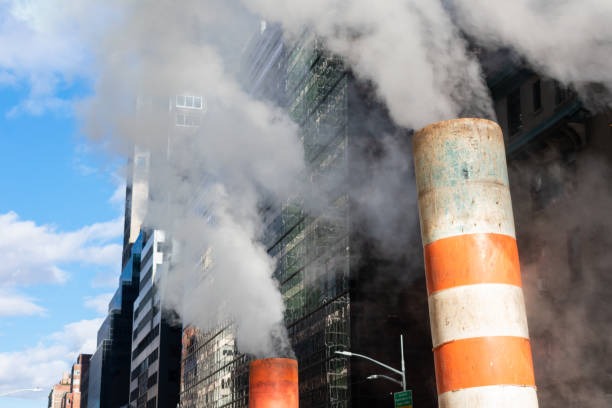
Cooling towers are essential components in many large buildings across New York City, helping regulate temperature and maintain indoor comfort. However, improper maintenance can create serious public health concerns, particularly when bacteria begin to grow within these systems. NYC Cooling Tower Legionella has become a widely discussed issue due to its connection with Legionnaires’ disease, a severe form of pneumonia. Building owners and facility managers must stay vigilant to avoid a NYC Cooling Tower Violation and ensure public safety.
What Is Legionella and Why It Matters
Legionella is a type of bacteria that thrives in warm water environments, such as those found in cooling towers. When contaminated water droplets are released into the air, people nearby can inhale them and become ill. The presence of NYC Cooling Tower Legionella has led to strict regulations in the city to prevent outbreaks.
Failure to control bacterial growth can quickly result in a NYC Cooling Tower Violation, which may lead to fines, legal consequences, and reputational damage. Regular monitoring and cleaning are critical to keeping systems safe and compliant.
Regulations and Legal Requirements
New York City has implemented detailed rules requiring building owners to register, inspect, and maintain cooling towers. These regulations were strengthened after several outbreaks linked to NYC Cooling Tower Legionella. Owners must conduct routine testing and keep accurate records of maintenance activities.
If these requirements are not met, authorities may issue a NYC Cooling Tower Violation. This can happen due to missed inspections, poor documentation, or unsafe bacterial levels. Compliance is not optional; it is a legal obligation that protects both occupants and the wider community.

Maintenance Practices That Reduce Risk
Effective maintenance is the foundation of preventing NYC Cooling Tower Legionella. Cleaning schedules, water treatment programs, and regular inspections all play an essential role. Systems must be disinfected periodically to eliminate bacteria and prevent buildup.
Neglecting these tasks increases the likelihood of a NYC Cooling Tower Violation. Even minor lapses in maintenance can lead to significant consequences if bacterial levels rise beyond acceptable limits. Preventive care is always more cost-effective than responding to an outbreak.
Common Causes of Violations
Many violations occur due to oversight or lack of awareness. In some cases, building managers fail to test water frequently enough, while in others, documentation is incomplete. These issues can lead to the detection of NYC Cooling Tower Legionella during inspections.
Another frequent cause of a NYC Cooling Tower Violation is inadequate water treatment. Without proper chemical balancing, bacteria can multiply rapidly. Ensuring trained personnel handle maintenance tasks significantly reduces these risks.
The Role of Inspections and Testing
Routine inspections are designed to identify potential problems before they escalate. Testing for NYC Cooling Tower Legionella is required at regular intervals, and results must be documented carefully. Authorities rely on these records to assess compliance.
If testing reveals high bacterial levels, immediate corrective action is required. Failure to respond appropriately can result in a NYC Cooling Tower Violation along with penalties that may escalate depending on the severity of the issue.
Long-Term Prevention Strategies
Sustainable prevention involves more than just meeting minimum requirements. Building owners should adopt proactive strategies, including advanced monitoring systems and staff training. Awareness of NYC Cooling Tower Legionella risks helps ensure consistent compliance.
Investing in preventive measures reduces the chances of receiving a NYC Cooling Tower Violation. It also demonstrates a commitment to public health and safety, which is increasingly important in urban environments.
Conclusion
Managing cooling towers responsibly is essential in a densely populated city like New York. NYC Cooling Tower Legionella remains a significant concern, but it can be controlled through proper maintenance, testing, and compliance with regulations. Avoiding a NYC Cooling Tower Violation requires diligence, accurate record-keeping, and a proactive approach. By prioritizing safety and following established guidelines, building owners can protect both occupants and the broader community.