

Budgeting for a property teardown requires looking at several moving parts. Commercial projects sit in a completely different financial bracket. Because these buildings utilize heavy steel framing and reinforced concrete, costs can quickly climb into hundreds of thousands. Property owners must analyze every square foot to ensure they have the financial backing for such an intensive undertaking.
Cost Per Square Foot Metrics
Measuring the Financial Footprint
A common way contractors estimate projects is by calculating the exact square footage. Residential teardowns usually cost between $5 and $15 per square foot. If the building is completely made of wood and drywall, the price leans toward the lower end of the spectrum.
When dealing with brick or heavy concrete, the price per square foot rises rapidly. Commercial spaces often cost anywhere from $10 to $30 per square foot. The presence of complex interior frameworks and industrial utility lines requires more labor hours, pushing the overall estimate higher.
Mechanical vs Manual Deconstruction
Choosing the Right Method for Your Budget
The method you choose to level a structure impacts your final bill significantly. Mechanical leveling uses heavy machinery like bulldozers to knock down a building in a matter of hours. This is highly cost-effective but destroys almost all the materials in the process.
- Mechanical Teardown: High speed, lower labor costs, high waste volume.
- Manual Deconstruction: Slow pace, high labor costs, maximizes material salvage.
- Hybrid Approach: Using machines for heavy lifting while hand-sorting valuable metals.
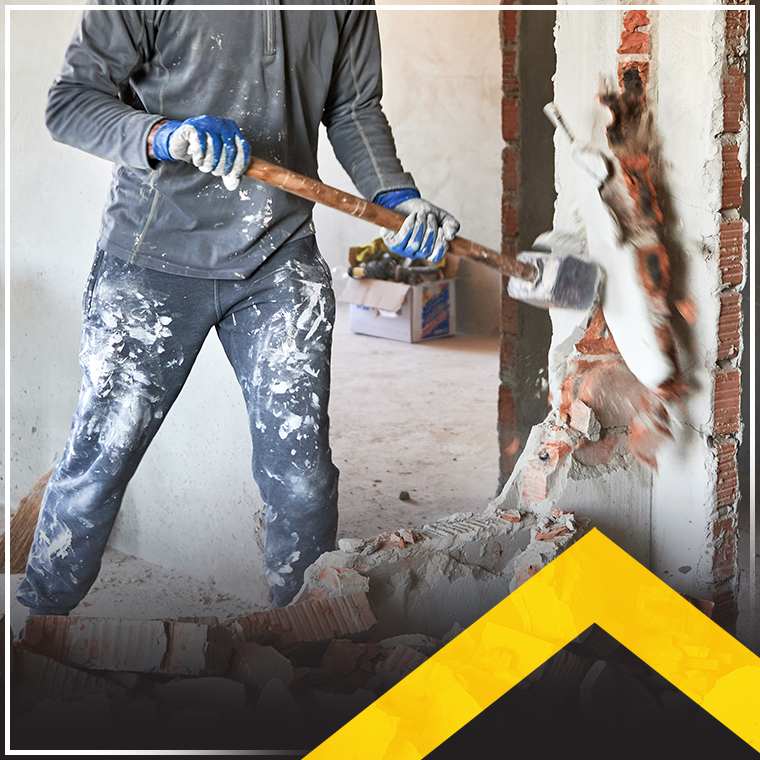
Manual deconstruction involves workers taking the building apart piece by piece. While this method saves beautiful hardwood floors and historic bricks, the labor costs are incredibly high. Property owners must weigh the value of salvaged materials against the prolonged timeline and higher wages.
Hidden Fees to Anticipate
Preparing for Unexpected Project Expenses
Many property owners forget to factor in the cost of utility disconnections. Before any heavy machinery touches the site, city workers must safely cap off gas, water, and electrical lines. Failure to coordinate this properly can result in massive fines and dangerous site conditions.
Furthermore, environmental remediation can suddenly spike your budget. Discovering hidden toxic materials mid-project forces a complete halt until specialized crews arrive. If you are preparing a site for new construction, hiring professional Demolition Services helps identify these hidden financial traps before work begins.
Post-Project Clean Up Costs
Factoring in Tonnage and Travel
Getting the building down is only half the battle; hauling it away is where costs mount. Landfills charge specific tipping fees based on the exact weight of the debris. Heavy items like concrete foundations require multiple dump truck trips, which burns fuel and adds to labor hours.
If your property sits far away from recycling centers, expect to pay a premium for transport. Smart contractors try to crush concrete on-site to minimize travel expenses. Reducing the total weight sent to local landfills keeps your hard-earned money in your pocket.
Conclusion
Understanding the financial layout of a teardown saves you from stressful surprises down the road. By mapping out square footage, disposal fees, and potential environmental issues, you can plan a seamless project. Securing detailed estimates ensures your site prep moves forward smoothly without breaking your banking budget.