
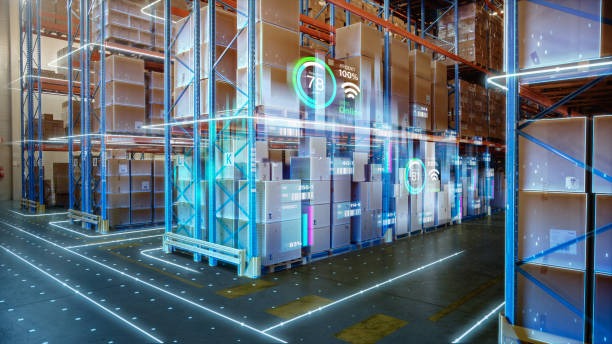
Modern supply chains are becoming more complex, making it difficult for logistics companies to manage carrier selection, freight costs, and delivery performance manually. This is where AI for logistics is transforming the industry. By analyzing massive volumes of transportation data, artificial intelligence helps businesses identify reliable carriers, predict market trends, and automate repetitive procurement tasks. Companies that adopt AI for Logistics gain greater visibility, faster decision-making, and stronger relationships with carriers while improving overall operational efficiency.
Understanding AI-Powered Carrier Procurement
Carrier procurement has traditionally involved comparing rates, evaluating carrier performance, and negotiating contracts through manual processes. Today, AI for Logistics simplifies these responsibilities by using predictive analytics and machine learning to recommend the best carrier based on historical performance, pricing, and delivery reliability. The result is a procurement process that is faster, smarter, and more accurate.
Why AI for Logistics Is Changing Procurement Strategies
Organizations are no longer relying solely on spreadsheets or manual bidding. AI for Logistics enables procurement teams to make data-driven decisions that reduce transportation costs while maintaining service quality. Intelligent algorithms continuously evaluate carrier performance, identify risks, and recommend alternatives before disruptions affect deliveries. This proactive approach helps businesses remain competitive in an increasingly demanding logistics environment.
Smarter Decision-Making Through Data Intelligence
Every shipment generates valuable information. AI systems analyze historical freight rates, transit times, weather conditions, and carrier performance to recommend the most suitable transportation partner. Instead of relying on assumptions, procurement teams gain actionable insights that improve contract negotiations and optimize long-term carrier relationships. AI for Logistics also minimizes human error, ensuring procurement decisions remain consistent and objective.
Key Benefits of AI for Logistics in Carrier Procurement
Businesses adopting AI-driven procurement experience measurable improvements across multiple operational areas.
- Automates carrier evaluation and supplier selection using real-time analytics.
- Improves freight cost forecasting and supports smarter budgeting decisions.
- Identifies high-performing carriers based on reliability, compliance, and service history.
- Reduces procurement time while increasing operational efficiency and transparency.
These capabilities allow procurement professionals to spend less time on administrative tasks and more time developing strategic partnerships that strengthen supply chain resilience.
How Predictive Analytics Improves Carrier Selection
Predictive analytics has become one of the most valuable features of AI for Logistics. Instead of reacting to changing market conditions, logistics companies can anticipate pricing fluctuations, capacity shortages, and seasonal demand patterns. This foresight enables procurement teams to secure reliable carriers before rates increase or capacity becomes limited. Better forecasting ultimately leads to improved customer satisfaction and more profitable transportation operations.
Automation Creates Faster Procurement Workflows
Automation significantly reduces the workload associated with procurement. AI-powered platforms automatically collect carrier quotes, compare service levels, evaluate contract compliance, and generate procurement recommendations. These automated workflows eliminate repetitive manual processes while accelerating procurement cycles. As logistics networks expand, automation ensures businesses can scale operations without increasing administrative complexity.
AI for Logistics and Future Procurement Innovation
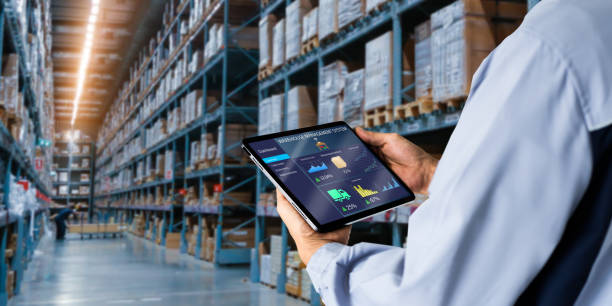
The future of carrier procurement will be increasingly intelligent and connected. AI for Logistics will continue integrating with transportation management systems, warehouse software, and supply chain platforms to create fully connected procurement ecosystems. Advanced machine learning models will provide even more accurate pricing forecasts, identify emerging transportation risks, and recommend procurement strategies in real time. Businesses embracing these innovations will remain agile in rapidly changing freight markets.
Choosing the Right AI Solution
Not every AI platform offers the same capabilities. Logistics companies should prioritize solutions that provide predictive analytics, automated carrier evaluation, seamless integration with existing systems, and customizable reporting. A scalable platform ensures organizations can expand procurement operations without sacrificing performance or visibility. Investing in the right AI technology creates long-term value by improving procurement efficiency and supporting sustainable business growth.
Building Stronger Carrier Relationships with AI
While automation improves efficiency, successful procurement still depends on strong carrier partnerships. AI strengthens these relationships by providing transparent performance metrics, fair carrier evaluations, and data-backed negotiations. Both logistics providers and carriers benefit from improved communication, consistent expectations, and mutually beneficial agreements that support long-term collaboration.
Conclusion
Artificial intelligence is redefining how logistics companies manage carrier procurement. Through automation, predictive analytics, and intelligent decision-making, AI for Logistics enables organizations to reduce costs, improve carrier selection, and strengthen supply chain resilience. Businesses that integrate AI into procurement processes gain greater operational visibility, faster decision-making, and enhanced competitiveness. As logistics continues to evolve, adopting AI-driven procurement strategies will become essential for companies seeking sustainable growth, higher efficiency, and stronger transportation partnerships.