
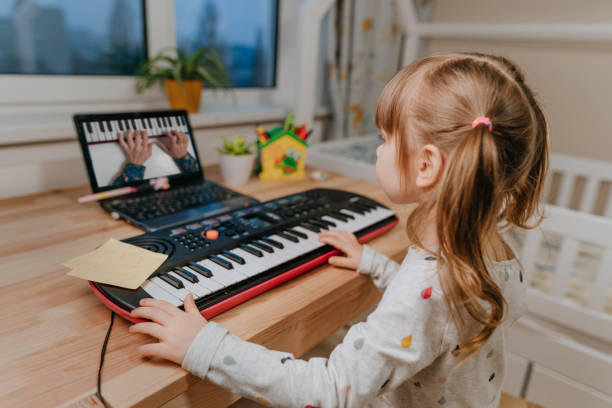

Open almost any traditional piano method book and the first dozen pieces have names nobody recognizes – simplified exercises written specifically for teaching, not because anyone particularly wants to play them. There’s a reason for this: method books are built around gradually introducing technical concepts in a controlled sequence. But there’s a cost to that approach too, and it’s one a lot of students feel long before they can name it. Practicing music you don’t actually want to hear yourself play is a hard habit to sustain.
The Motivation Problem Method Books Create
Motivation in any skill-building activity comes largely from seeing progress toward something you actually care about. A student who wants to eventually play songs they love, but spends months working through unfamiliar exercise pieces first, is being asked to delay that payoff indefinitely. For some students, that patience holds. For a lot of others – especially teens and adults who came back to piano after years away – it doesn’t, and the gap between “what I’m practicing” and “what I actually want to play” becomes the reason lessons quietly stop.
This isn’t a criticism of method books as a concept; they exist because sequencing technical difficulty matters. But sequencing difficulty and using recognizable, real music aren’t mutually exclusive. The frustration comes specifically from feeling like there’s no connection between the exercises and the music a student actually wants to be able to sit down and play.
What Changes When Real Songs Are the Curriculum
Learning through real songs, arranged and leveled appropriately for a player’s current skill, keeps that motivational thread intact throughout the whole learning process. Instead of working through generic exercises with the vague promise that “real music” comes later, a student is engaging with actual songs from day one, just simplified to match where their skills currently sit. The technical difficulty still ramps up gradually – the difference is that every step along the way feels connected to something recognizable rather than disconnected practice material.
This matters just as much for adults as it does for kids. An adult returning to piano after a twenty-year gap isn’t trying to become a concert pianist – they usually want to play songs they already love, at whatever skill level gets them there. A curriculum built around real songs respects that goal directly instead of routing students through material designed for a different kind of long-term student.
Guided Lessons Still Matter – They Just Need the Right Material
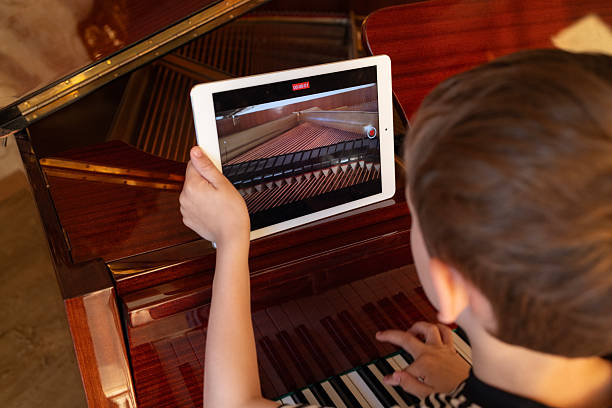
None of this argues against structured, guided instruction. Technique, hand position, and reading fundamentals still need to be taught deliberately, and unguided practice on favorite songs alone can build bad habits just as easily as method book drilling can build boredom. The ideal setup pairs the structure of guided lessons with material that’s actually engaging, so a student gets both the technical scaffolding they need and the motivation to keep showing up for it.
This is where a well-designed piano learning app can bridge a gap that traditional lesson formats often can’t close alone. A private teacher provides guided structure once a week, but the six days in between are where habits either solidify or erode, and having a tool that keeps that in-between practice engaging – through real songs and instant feedback rather than static exercises – makes a measurable difference in whether students actually stick with lessons long term.
Instant Feedback Changes How Songs Get Learned
Playing a real song for the first time is naturally harder than playing a simplified drill, which means feedback matters even more here than in traditional method book practice. Without correction, small errors in a song can get absorbed into muscle memory and become surprisingly hard to unlearn later. This is where a strong piano lessons app earns its value – offering real-time note detection and correction so a student isn’t reinforcing the wrong version of a passage for a full week before a teacher catches it.
That immediate correction loop, combined with real, recognizable songs instead of disconnected exercises, tends to produce students who practice more consistently simply because the material itself is worth showing up for. MuseFlow was built around exactly this combination – continuous new songs, instant feedback, and guided lessons layered together so students are always working with music that actually means something to them.
The Bigger Shift in How Piano Gets Taught
The piano teaching world is slowly moving away from the assumption that technical rigor and enjoyable material have to be traded off against each other. Real songs, properly leveled and paired with structured guidance and immediate feedback, can deliver the same technical progression method books were designed for, without asking students to wait months before playing something they’re genuinely excited about. For a subject with famously high dropout rates, that shift in approach might be exactly what keeps more students at the bench long enough to actually fall in love with playing.
FAQs
Q1: What is a piano learning app?
A piano learning app provides digital tools, guided exercises, practice activities, and lessons to help users develop piano skills at their own pace.
Q2: How can a piano lessons app improve practice?
A piano lessons app can provide structured instruction, interactive exercises, rhythm training, and progressive activities that make practice more organized.
Q3: Is a piano learning app suitable for beginners?
Yes. A piano learning app can be useful for beginners by introducing basic notes, chords, rhythm, hand positions, and simple songs through guided activities.
Q4: What should I look for in a piano lessons app?
Look for clear instruction, progressive lessons, interactive practice, useful feedback, music-reading activities, and exercises that match your current ability.
Q5: Can a piano learning app support regular practice?
Yes. A piano learning app can make practice more convenient by offering accessible exercises and structured lessons that encourage consistent skill development.