
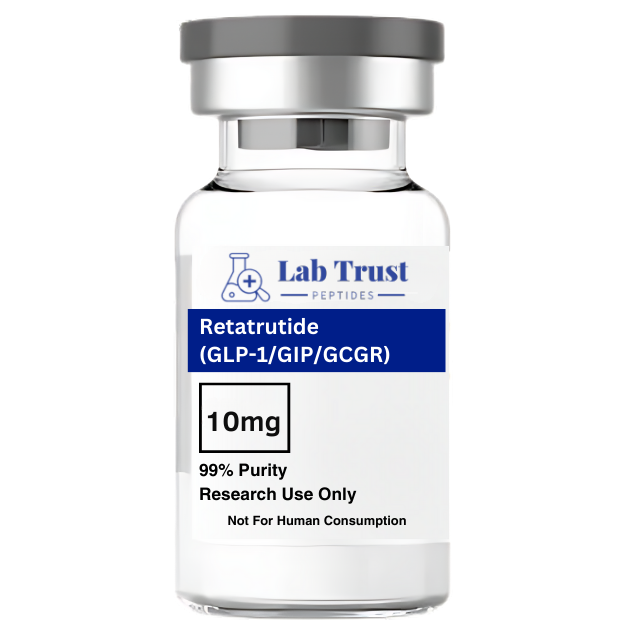
In the world of cutting-edge biomedical research, peptides have emerged as powerful tools to investigate complex biological pathways. Among these, Retatrutide peptide is gaining significant attention. This investigational compound, known for its triple receptor activity, provides researchers with a unique opportunity to explore integrated metabolic processes. In this blog, we’ll dive into what makes Retatrutide peptide special, how it’s used in laboratory research, and why it’s becoming a go-to choice for scientists studying metabolic regulation.
Understanding Retatrutide Peptide
Retatrutide is a synthetic peptide designed to interact simultaneously with three key receptors: GLP-1, GIP, and glucagon. This triple-agonist property allows it to modulate multiple hormone pathways, making it an invaluable tool in metabolic and endocrine research.
Researchers are particularly interested in Retatrutide peptide because it provides a model to study complex interactions between glucose regulation, lipid metabolism, and energy balance. Unlike compounds that target a single receptor, Retatrutide enables simultaneous observation of overlapping signaling pathways, offering a more comprehensive understanding of metabolic responses.
- One notable feature of Retatrutide peptide is its high purity, often exceeding 99%, which ensures consistent and reliable laboratory results.
How Retatrutide Peptide is Used in Research
Laboratories typically use Retatrutide peptide in controlled experimental environments to investigate:
- Triple-Receptor Signaling: Researchers study how GLP-1, GIP, and glucagon pathways interact to regulate metabolism.
- Energy Balance Mechanisms: By observing how this peptide influences hormones related to appetite and energy expenditure, scientists can develop insights into obesity and metabolic disorders.
- Glucose and Lipid Regulation: Retatrutide’s multi-receptor activity allows for the study of integrated glucose and lipid pathways, shedding light on endocrine cross-talk and hormonal feedback systems.
Handling Retatrutide peptide requires strict adherence to laboratory standards. The compound is usually supplied as a lyophilized powder in sterile vials. Proper storage, reconstitution, and temperature-controlled shipping are essential to maintain its stability and potency.
Benefits of Using Retatrutide Peptide in Research
While Retatrutide peptide is not approved for human use, its research applications are substantial:
- High Analytical Reliability: Every batch undergoes rigorous testing, including LCMS screening, heavy metal analysis, and sterility verification, ensuring experimental reproducibility.
- Versatility: Its triple agonist nature allows researchers to study multiple hormonal pathways simultaneously, which is particularly useful for integrated metabolic research.
- Consistency Across Batches: Verified Certificates of Analysis (COA) provide detailed data for each batch, supporting traceability and scientific accuracy.
These features make Retatrutide peptide a preferred option for metabolic researchers who require dependable, high-quality compounds for exploratory studies.
Conclusion
The emergence of Retatrutide peptide as a research compound represents an exciting advancement in the study of metabolic regulation. Its ability to simultaneously target GLP-1, GIP, and glucagon receptors provides an unprecedented opportunity for scientists to examine intricate hormonal interactions in a controlled laboratory setting.
As researchers continue to explore its applications, Retatrutide peptide may become an essential tool in understanding energy balance, glucose homeostasis, and lipid metabolism. While its use is strictly limited to research purposes, the insights gained from studies using this peptide have the potential to inform future therapeutic strategies for metabolic disorders.