
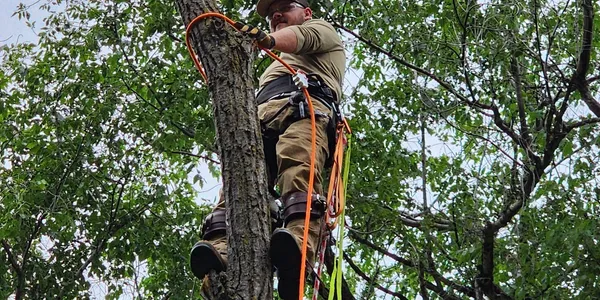
Trees are an essential part of our environment, providing shade, beauty, and cleaner air. However, there are moments when these majestic giants can become a threat to your property or safety. Understanding the importance of timely emergency tree removal can save you from unexpected dangers and costly repairs. In this article, we’ll explore why swift action is necessary, the process involved, and how you can prepare for such situations.
What is Emergency Tree Removal?
Emergency tree removal refers to the urgent removal of a tree that poses an immediate risk to people, property, or infrastructure. Unlike routine tree care, emergencies demand quick decision-making and professional expertise. Common scenarios that require urgent attention include:
- Trees that have been damaged by storms, lightning, or heavy winds
- Trees leaning dangerously near homes or power lines
- Large branches threatening to fall on driveways or sidewalks
In these situations, delaying action could lead to property damage, personal injury, or even legal liabilities if accidents occur.
Signs You Might Need Emergency Tree Removal
Recognizing the warning signs is critical. Some indicators are subtle, while others are obvious:
- Cracks or splits in the trunk: This often signals internal decay that weakens the tree’s stability.
- Exposed roots or soil erosion: Roots anchor a tree; if they are compromised, the tree may topple unexpectedly.
- Severe leaning: Even a slight tilt can become catastrophic during storms or high winds.
Sometimes, you may notice a combination of these signs, which makes it imperative to call a professional without delay. One helpful tip is to document any changes you observe in your trees, especially after storms.
The Process of Emergency Tree Removal
When a tree becomes a hazard, professional arborists follow a systematic approach to ensure safety and efficiency. The process generally includes:
- Assessment: Experts evaluate the tree’s condition, the surrounding environment, and potential risks.
- Planning: Depending on the tree’s size and location, they determine the best removal strategy to prevent property damage.
- Execution: Using specialized equipment, the team safely removes the tree or large branches.
- Cleanup: Professionals ensure that debris is cleared, and the site is safe for your family and neighbours.
A professional arborist may also offer suggestions for preventive measures to avoid future emergencies, such as routine pruning or planting more resilient species.
How to Choose the Right Emergency Tree Removal Service
Selecting a trusted service is crucial. Look for:
- Licensed and insured arborists
- Positive customer reviews and testimonials
- Quick response times, especially during storms
Tip: Always ask for a free estimate and ensure the team uses safe, environmentally responsible disposal methods for removed trees.
Conclusion
While trees bring beauty and ecological benefits to our surroundings, they can become hazards if neglected. Recognizing the need for emergency tree removal and acting quickly is essential to protect your home, loved ones, and the community. By understanding warning signs, working with professionals, and maintaining your trees proactively, you can enjoy the best of nature without compromising safety.